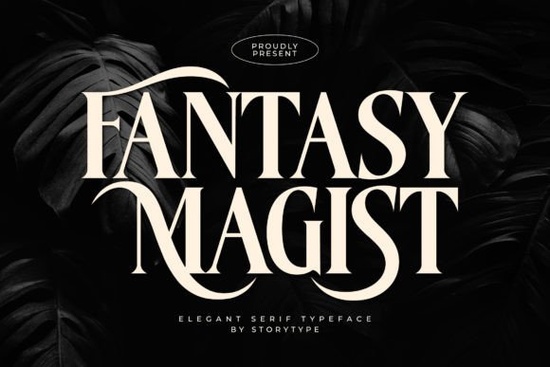
If you're looking for a serif font that works well for both print and digital designs, you might want to take a closer look at Fantasy Magist. This modern serif typeface combines clean lines with a touch of elegance, making it a versatile choice for projects like wedding invitations, stationery, social media graphics, and more. Designers, crafters, and small business owners often need one font that can handle both formal and playful layouts – and Fantasy Magist delivers that flexibility without feeling overly ornate.
What makes Fantasy Magist different from other serif fonts?
Many serif fonts lean either strictly traditional (like Times New Roman) or modern geometric. Fantasy Magist sits in a sweet spot: it has the readable structure of a classic serif but includes subtle stylistic details that keep it fresh. The font is PUA encoded, which means you get easy access to extra glyphs, ligatures, and alternates. That’s a huge time-saver when you want to create custom wordmarks or add decorative swashes without manually editing paths.
For example, if you’re making a wedding invitation suite, you can use the standard uppercase for the couple’s names and then swap in a ligature for the “ff” in “affection” – it looks seamless and professional. This kind of built-in typographic variety is rare in free or budget fonts, so Fantasy Magist gives you more design options right out of the box.
Where can I use Fantasy Magist in my projects?
Because the font is neither too thin nor too heavy, it scales well across different media. Here are a few practical applications where Fantasy Magist shines:
- Wedding and event invitations – the serifs add a classic, romantic feel without looking dated. Pair it with a simple sans-serif for addresses and RSVP details.
- Social media quotes and posts – use the alternate characters to make your headline text stand out. The font remains readable even at smaller sizes on mobile screens.
- Product labels and packaging – for print-on-demand items like candles, mugs, tote bags, or notebooks, Fantasy Magist gives a premium look without excessive flourish.
- Small business branding – logos, business cards, and website headers can all benefit from a font that feels both reliable and distinctive.
- Stationery art and planners – the clean letterforms work well for calendar headings, journal covers, or even DIY sticker sheets.
How does Fantasy Magist compare to other serif options?
If you’re building a font library, it helps to understand where Fantasy Magist fits alongside similar typefaces. For example, Conso Font is a bolder, more decorative serif that works well for large headlines but can be heavy for body text. Palmore Font leans toward a vintage, calligraphic style. Fantasy Magist strikes a balance: it has enough personality for a heading but remains legible in a paragraph.
For a softer, more romantic look, you might also consider Pink Sunset Font, which includes hand-drawn elements. But if you need a font that stays professional for both printed materials and digital content, Fantasy Magist is often a safer choice. And if you’re after a sportier, display-style serif, JP Game Day Font offers a more energetic feel – but it lacks the formal elegance required for wedding or stationery work.
What to look for when choosing a serif font for print-on-demand
If you sell printed products like mugs, shirts, or wall art, your font needs to be versatile across different production methods. Here’s a simple checklist:
- Glyph accessibility – PUA encoded fonts let you use alternates without technical workarounds. Fantasy Magist meets this.
- Weight balance – the font should be neither too thin (risks disappearing on dark mugs) nor too heavy (may look muddy when sublimated).
- Legibility at small sizes – test the font at 12pt or 14pt for keychains or small labels. Fantasy Magist holds up well.
- Compatibility with cutting machines – if you use Cricut or Silhouette, well-spaced serifs like these reduce weeding issues.
Is Fantasy Magist suitable for both digital and print projects?
Yes – the font’s stroke contrast is moderate, so it renders clearly on screens without the bloom effect you sometimes see with high-contrast serifs. For digital use, it’s great for e-book covers, blog headers, and Pinterest pins. For print, it works with laser and inkjet printers, as well as professional print services. Because the font is available as a single weight, you can pair it with a lighter or bolder companion font if needed.
Practical tips for getting the most out of Fantasy Magist
To make your designs look polished without extra effort:
- Use ligatures for natural connections – turn on OpenType features in your design software (like Illustrator, Photoshop, or Procreate) to see the automatic cursive-style joins.
- Mix case styles – try all caps for short phrases and title case for longer lines to create hierarchy.
- Pair with a clean sans‑serif – for body text, a neutral font like Lato or Montserrat keeps the focus on your serif headline.
- Test your product mockups – download a free trial or use the font in a mockup template to see how it looks on actual products before buying.
If you’re still deciding, check out the Fantasy Magist product page for user reviews and sample images. Many designers mention how the ligatures saved time on invitation sets.
Next step: Grab a free preview of the font and use it on a real project – like a birthday card or social media announcement. That’s the fastest way to see if its style matches your workflow.
Explore Design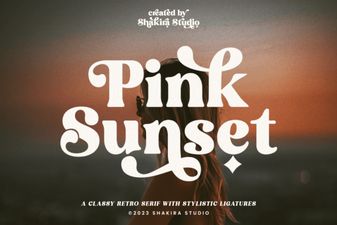 Pink Sunset Font Designs for Creative Projects
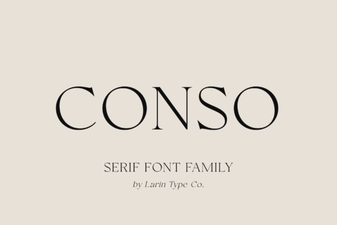 Conso Font: a Modern Guide for Designers and Developers
 The Palmore Font: Design with Personality
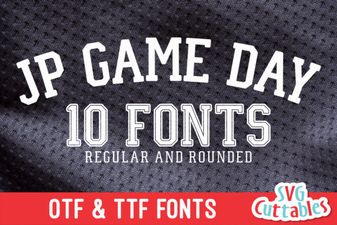 Jp Game Day Fonts for Creative Digital Projects
 Crafting a Distinctive University Font Library
 Chalkboard Fonts for Creative Design Projects